
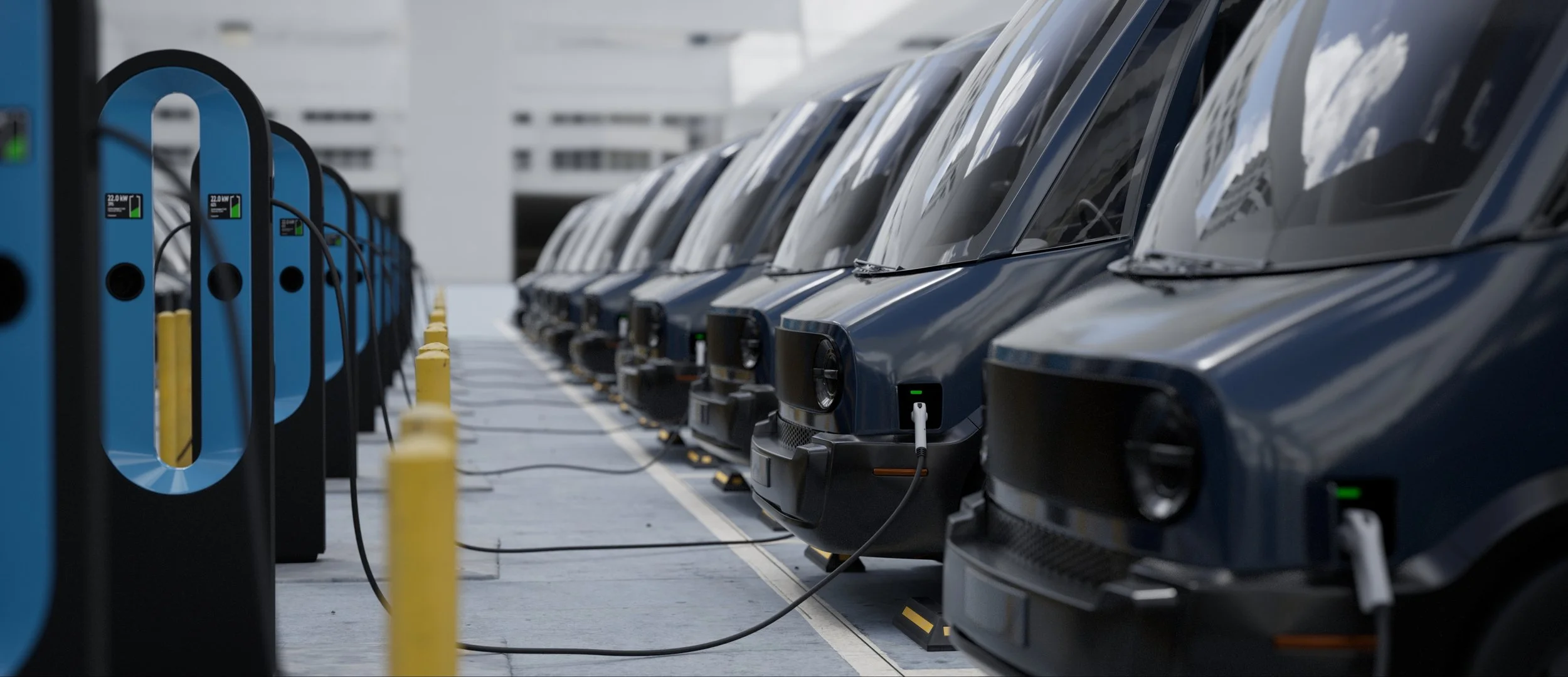
Amazon DSP’s
Running an Amazon Delivery Service Partner business means managing vans, drivers, routes, and razor-thin margins every single day. One bad renewal or a string of claims can wipe out a year of profit. At Southeastern Insurance Agency, our agency ownership team has owned and operated an Amazon DSP since 2017, and we know this business from the inside, because we run delivery fleets ourselves.
Why DSPs Choose Southeastern
We’re operators, not just agents. We own and operate courier and last-mile delivery businesses in three states, with more than 300 vehicles on the road. We’ve dealt with the same driver turnover, accident frequency, and insurance costs you do. When we review your program, we look at it the way an owner does.
Deep underwriter relationships. Years of focus on our own, safe, last-mile operations have allowed us to build strong relationships with underwriters and carriers that specialize in DSP risks. We know how they evaluate your fleet, your safety scores, and your loss history, and we know how to present your operation to get the best terms.
More options than the standard program. Many DSPs assume they’re locked into one insurance option. We compare your current program against alternative A-rated markets to make sure you’re not overpaying and TRC/RMIS compliant.
Money back in your pocket. Insurance is one of a DSP’s largest controllable expenses. Our goal is to lower your total cost of risk. We’ve saved DSPs across our 27-state footprint million’s of dollars on their premiums through implementation of effective risk management programs that we’ve tested over our years of operation.
Key Risks Amazon DSPs Face
Auto accidents from high mileage, tight schedules, and newer drivers
Driver injuries from lifting, stairs, slips, and getting in and out of vans hundreds of times a day
High claim frequency that drive up auto rates and your workers’ comp experience modification
Rising daily vehicle rates at renewal
Employment claims from hiring, discipline, and termination in a high-turnover workforce
Damage to leased and rental vans
Contract requirements that must be met to stay in good standing with Amazon
Amazon DSP Insurance Coverages
Commercial auto is usually the largest insurance cost for a DSP. It covers liability for injuries and property damage your drivers cause, plus physical damage to your vans. We compare daily vehicle rates and coverage terms across markets to find the best value for your fleet size and loss history.
Workers’ Compensation Insurance
Delivery driving is physically demanding, and workers’ comp is one of the biggest costs a DSP carries. It pays medical bills and lost wages when a driver is injured on the job. We review your class codes, payroll allocation, and experience mod to make sure you’re not overpaying, and help you build safety and return-to-work practices that bring costs down over time.
General liability protects your business from claims of injury or property damage to others, such as a package dropped on a customer’s porch or damage at a delivery location. It’s a core requirement for most delivery contracts.
Employment Practices Liability (EPLI)
With constant hiring and turnover, DSPs face real exposure to claims of wrongful termination, discrimination, and harassment. EPLI covers your legal defense and settlements, which can otherwise cost tens of thousands of dollars.
Cargo coverage protects packages in your care from theft or damage while they’re in transit. We’ll make sure your coverage matches what your contract requires.
Commercial Umbrella
An umbrella adds an extra layer of liability protection above your auto, general liability, and employer’s liability policies, which matters when a single serious accident can exceed your primary limits.
-
Most Amazon DSPs need commercial auto, workers’ compensation, and general liability insurance as a foundation, with cargo coverage, employment practices liability, and umbrella coverage often recommended. Specific coverages and limits are set by your Amazon agreement and state requirements. We’ll review your contract to make sure every requirement is met.
-
Amazon offers an insurance program for DSPs, but many owners don’t realize there may be other options for some coverages. What you can change depends on your agreement with Amazon and the coverage involved. We’ll review your current setup and show you where alternatives may save you money.
-
Costs depend on your fleet size, number of drivers, payroll, routes, state, and claims history. Commercial auto is often priced as a daily rate per vehicle, and workers’ comp is based on payroll and your experience mod. Because rates vary widely, comparing markets is the best way to know if you’re paying too much.
-
Delivery driving has a high injury rate, so workers’ comp rates for drivers are higher than for most jobs. Your premium also depends on payroll allocation, class codes, and your experience mod, which reflects your claims history. Errors in any of these can lead to overcharges, which is why we review them for every DSP we work with.
-
The biggest drivers are claim frequency, driver safety, and having the right insurance markets. Strong hiring and training, using your telematics and safety data to coach drivers, reporting injuries quickly, and comparing your renewal against other carriers all help. Working with an agency that understands DSP operations makes a real difference.
-
A single accident may not change your rates much, but frequent claims can raise your auto premium at renewal and affect your ability to get coverage elsewhere. Reporting accidents promptly and having a plan to reduce repeat incidents helps protect your rates.
-
An independent agency isn’t tied to one insurance company, so we can compare multiple carriers and programs to find the best fit and price for your DSP. Southeastern’s leadership team has owned and operated an Amazon DSP since 2017 (yes, originally 1.0), with more than 300 vehicles across three states. That experience has built deep relationships with underwriters who specialize in last-mile risks, so we know how to present your operation for the best terms. Our focus is putting money back in your pocket by lowering your total cost of risk, not just selling you a policy.